
 简体中文
简体中文Smart Door Lock Trends 2026
As digital transformation continues to reshape the global construction, real estate, and security industries, smart door locks are rapidly becoming a standard component in residential, hospitality, office, and commercial developments. In 2026, the smart lock market is expected to move beyond basic convenience features and place a much stronger emphasis on security performance, system connectivity, and optimization for large-scale projects and B2B users.
Driven by increasing security awareness, higher operational efficiency requirements, and the demand for centralized management, smart door locks are evolving into integrated access control solutions rather than standalone devices.
1. Enhanced Multi-Layer Security
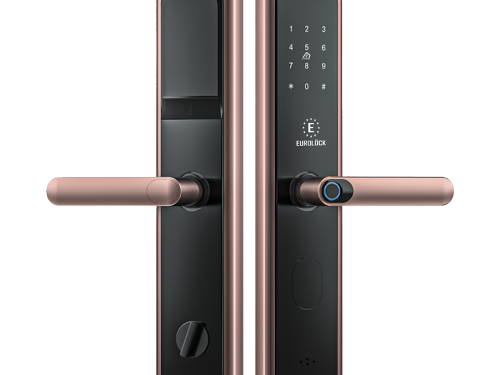
In 2026, smart door locks are no longer defined by a single unlocking method. The prevailing trend is the adoption of multi-layer authentication systems, combining several access methods to significantly improve security reliability.
Commonly integrated authentication options include:
-
Fingerprint recognition
-
PIN code access
-
RFID cards or key fobs
-
Traditional mechanical backup keys
-
Mobile applications with encrypted communication
By offering multiple verification layers, smart locks effectively reduce the risk of unauthorized access, improve user flexibility, and meet the stringent requirements of high-security residential, commercial, and institutional projects.
2. Deep Integration with Smart Ecosystems
Connectivity is becoming a core requirement rather than a value-added feature. Smart door locks in 2026 are increasingly designed to integrate seamlessly with smart home and smart building ecosystems.
Key integration capabilities include:
-
Compatibility with building management systems (BMS)
-
Connection with security cameras and video doorbells
-
Integration into centralized access management platforms
-
Remote monitoring and control via cloud-based systems
This level of integration enables real-time monitoring, centralized control, and data-driven decision-making, significantly improving operational efficiency for property owners and facility managers.
3. Optimization for Projects and B2B Users
Unlike individual consumers, B2B customers prioritize functionality that supports scale, flexibility, and long-term management. Smart door locks in 2026 are increasingly designed to address these specific project-based requirements.
Key B2B-oriented features include:
-
User group and role-based access management
-
Flexible access authorization and time-based permissions
-
Detailed access logs and audit trails
-
Remote configuration and system updates
These capabilities are particularly valuable for hotels, serviced apartments, rental housing, office buildings, and industrial facilities, where efficient access control and centralized management are critical.
4. Minimalist Design with High Durability
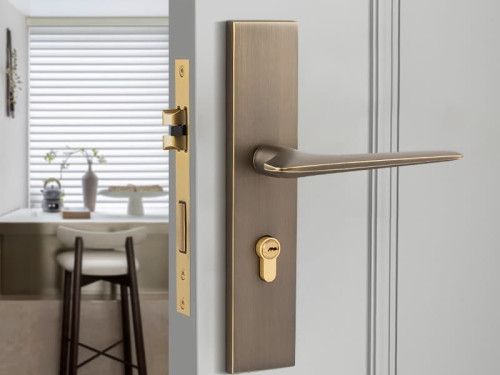
While advanced technology drives functionality, industrial design and material quality remain essential factors in smart lock selection. The 2026 trend favors clean, minimalist aesthetics that complement modern architectural styles.
At the same time, manufacturers are placing strong emphasis on durability, featuring:
-
High-strength zinc alloy or stainless steel housings
-
Corrosion-resistant surface treatments
-
Components designed for high-frequency usage environments
This combination ensures that smart locks maintain both visual appeal and reliable performance throughout extended service life.
5. Compliance with International Standards and Certifications
For large-scale developments and export-oriented projects, compliance with international standards and certifications is becoming increasingly important. In 2026, smart door locks are expected to meet a range of global requirements related to safety, security, and electronic performance.
Compliance not only facilitates market access across different regions but also provides assurance to investors, developers, and project owners regarding product quality and long-term reliability.
Conclusion
Smart door lock trends in 2026 highlight a clear shift toward integrated, secure, and project-oriented access solutions. The future of smart locks lies in achieving the right balance between advanced technology, robust security, system compatibility, and flexible deployment for B2B applications.
Selecting the appropriate smart door lock solution not only enhances the overall value of a project but also enables investors and operators to optimize long-term management efficiency and operational costs, making smart locks a strategic investment in modern building infrastructure.